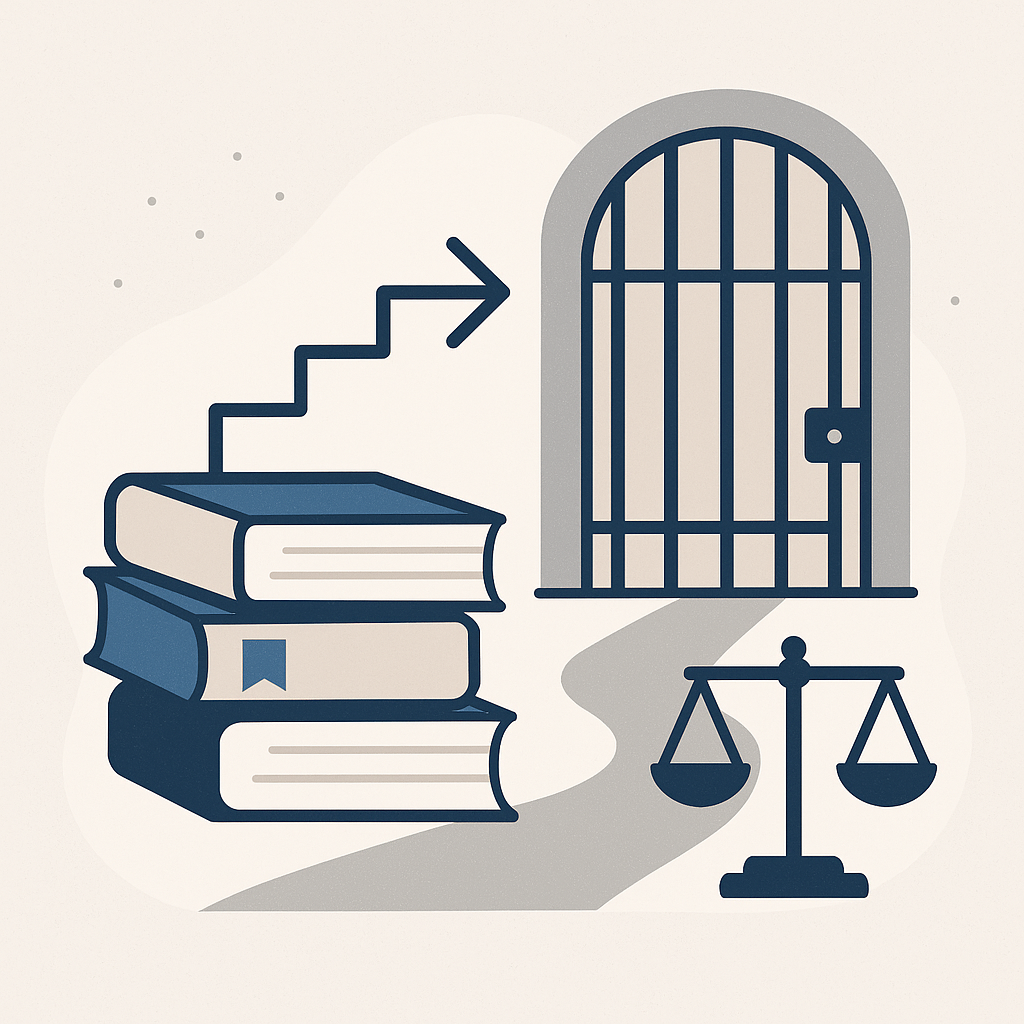
Bullying is not only a social or educational problem. In certain circumstances, it can also become a criminal offence with very serious legal consequences.
When harassment reaches extreme levels and ends with the victim taking their own life, the law examines the role played by the aggressors and to what extent their behaviour may have influenced that outcome.
In one of the videos from Estradé Law Firm, María and Miriam explain how the law operates in these situations and what responsibilities may arise, even when the aggressors are minors.
When harassment has irreversible consequences
In situations where a victim of bullying ends up taking their own life, the justice system analyses whether there is a connection between the acts of harassment and the suicide.
Depending on the circumstances, the aggressors may face serious offences such as harassment, incitement to suicide, psychological injury or even negligent homicide.
The key factor is determining the real influence that the conduct of intimidation, humiliation or continuous harassment had on the victim’s final decision.
Each case requires a detailed analysis of the facts, the intensity of the harassment and the evidence demonstrating that relationship.
What happens when the aggressors are minors
When those involved in the harassment are minors, the ordinary Criminal Code does not apply.
In these cases, the Law on the Criminal Responsibility of Minors applies, establishing a different system of legal responsibility.
This legislation does not only seek punishment but also aims at re-education and preventing future criminal behaviour.
Measures that may be imposed
Although the system differs from that applied to adults, the legal consequences can still be significant.
Among the measures a judge may impose are placement in specialised facilities, supervised release or the obligation to undergo psychological treatment or educational programs.
These measures are determined based on the seriousness of the events, the age of the minor and their level of involvement in the harassment.
When bullying stops being a school problem
Cases such as that of Sandra Peña showed that bullying cannot simply be treated as a conflict between minors.
When certain behaviours persist over time and cause serious psychological harm, they may fall fully within the scope of criminal law.
Justice may eventually act, but often it does so when the damage is already irreversible.
The importance of acting in time
Bullying is not a simple joke or a temporary conflict between students. It can have devastating consequences for the victim and very serious legal consequences for those who carry it out.
Detecting these situations, intervening early and acting responsibly is essential to prevent harassment from escalating into extreme situations.
Because when the damage is already done, no court decision can bring back what has been lost.